


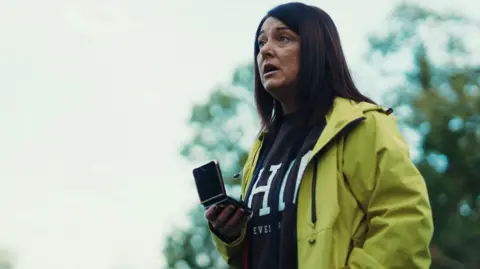
During an conversation near a local recreational area in Falkirk, a came forward.
May I question why you’re allowing these individuals to sit in this area?” she stated while documenting the exchange on her mobile device.
The person we were discussing with for our documentary was staying in a close refugee accommodation, where intense demonstrations had been occurring since the previous season.
The woman stated that residents from the hotel had been approaching local minors, and demanded that we take our discussion to another location.
At that moment, a collection of individuals who we didn’t see participating in activities close by came over the slope.
She told me it was my responsibility they were there and if “anything happens here, you’re responsible.”
The woman uploaded her recording to the internet. It was seen countless of times after being circulated by political influencers.
She was hailed as a champion for protecting women and children.
I was bombarded with threats and told that I should stay out of Falkirk.
I don’t believe that my discussion with this individual, who subsequently changed his mind its use, posed any risk.
But this encounter, and its repercussions, gave me perhaps the clearest understanding yet into the fear some within the area – and further afield – have about refugees in their local areas.
Community Concerns and Demonstrations
There are about over six thousand people requesting protection in Scotland, many of whom arrived via craft across the channel.
About a fourth stay in hotels while the administration determines whether to grant them protection.
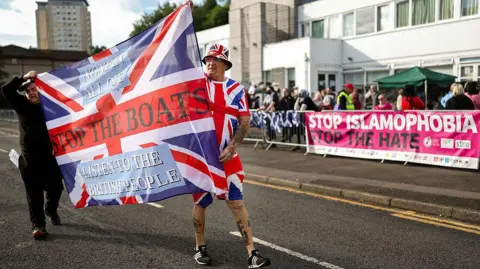
We’ve spent the last few weeks recording at demonstrations against the facilities around the nation.
In Falkirk, there are more than over eleven thousand individuals on the waiting list, awaiting new residences. There is frustration at a belief that these men – and it is exclusively males in the local facility – have received priority.
Individuals are not typically permitted to work while their applications are being processed and receive an stipend of £1.42 a day to live on. With free meals, housing and no bills to pay, it frustrates of many.
“They have television, they’re getting heating, they have garments, they receive communication tools, they’re getting health services and if you believe that’s fair in our country right now, I disagree.”
Smartphones are not given by the government but are commonly donated to hotel occupants by groups who help them.
Safety Fears and Community Tensions
The residents in the Cladhan are from a variety of countries, including Iran, Sudan and Eritrea, and all assert they need sanctuary from threats.
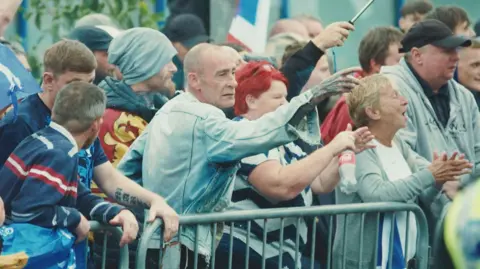
Sometimes we could see them looking from behind covered windows, as cries of “Deport them! Send them home!” ricocheted through the neighborhood.
The facility was formerly a favored location for events, special occasions and birthday parties.
Little notice was given or consultation arranged with the residents that up to numerous individuals were going to be housed here in 2021.
“There is a sentiment that an issue is being imposed on them from 10,000ft by people who neither know nor care what the impact is going to be.”
All the costs of housing refugees in hotels, about a significant amount a year across the country, are met by the UK government.
Falkirk Council’s leader stated no refugee was given priority over anyone else.
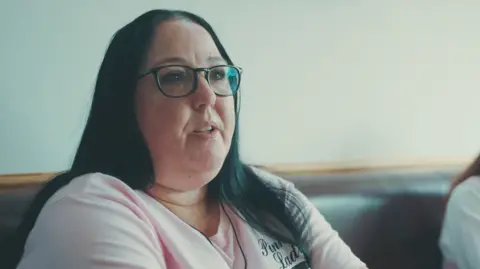
But it’s not just strain on facilities which has got residents out on the streets. There is fear, too.
Former Cladhan resident an individual, from another nation, was jailed in recent months for the sexual assault of a teenage local female.
“It devastated me to know that that individual’s life was ruined.”
“We must not be walking about in terror,” she added.
In 2023, the time of the individual’s act, there were 82 incidents of violent crimes in the town.
Authorities states it does not maintain records showing whether offenders are foreign nationals or not.
From news coverage, it seems a single case was carried out by an refugee that year – by the perpetrator.
“Scottish men are also involved, but the fact is that the boats are still coming. They [the asylum seekers] have a distinct perspective.”

